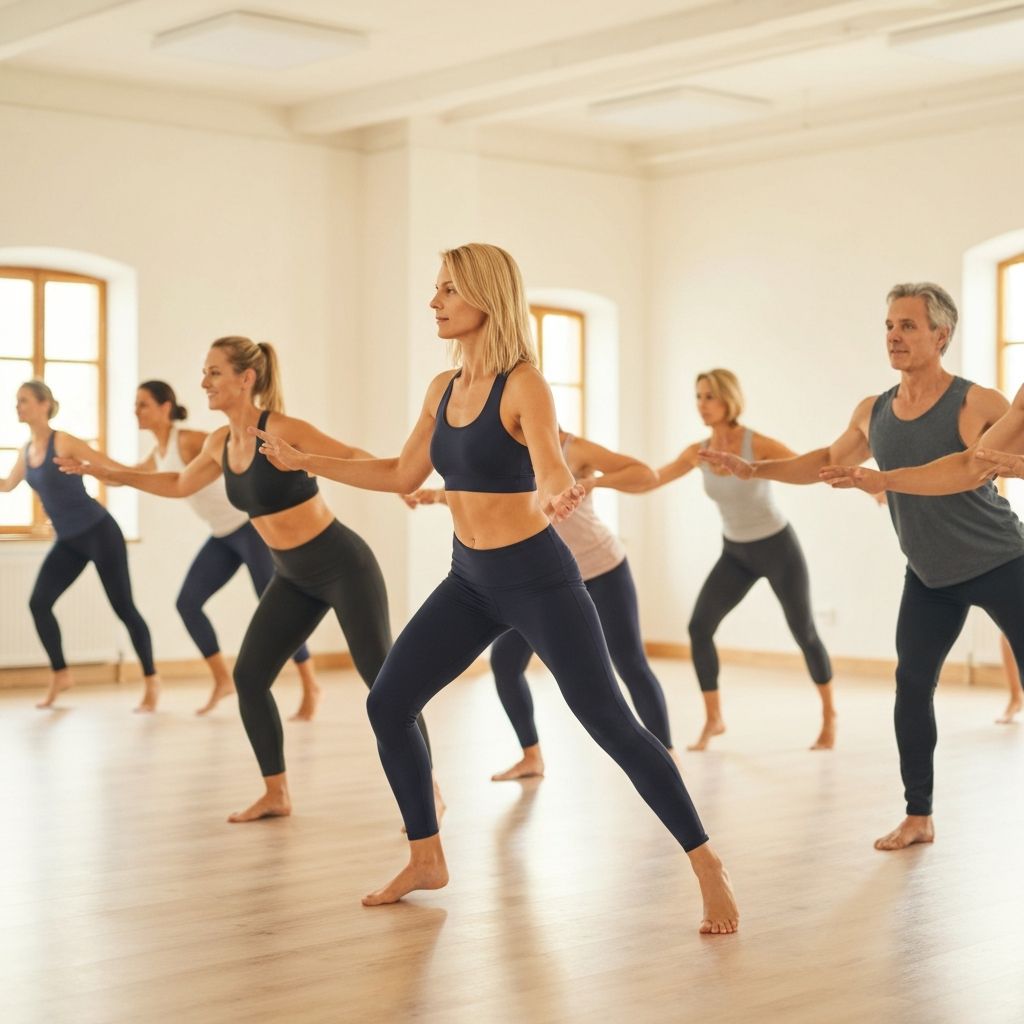
The Integration of Movement and Awareness
Throughout human history, various cultures have developed practices that unite physical movement with mental awareness and presence. Yoga, tai chi, qigong, and related practices represent sophisticated understandings of how body and mind interact. These practices emphasize not just physical conditioning, but the development of awareness, presence, and connection between mental and physical experience. In the context of active aging, such practices offer valuable dimensions beyond traditional exercise. This article explores mindful movement approaches and their relevance to maintaining vitality and well-being as you age.
What Is Mindful Movement?
Mindful movement is physical activity performed with conscious attention and awareness. Rather than exercising on autopilot while thinking about other matters, mindful movement involves bringing full attention to the physical sensations, movements, and experiences occurring in the present moment. This might involve noticing how muscles engage, feeling the quality of breathing, sensing balance and proprioception, or observing subtle shifts in posture and alignment.
The practice is not limited to specific disciplines. While yoga and tai chi are classic examples of mindful movement, walking with full attention, stretching while observing physical sensations, or dancing with presence can all be forms of mindful movement. The key ingredient is conscious awareness brought to physical activity.
Yoga: Ancient Practice for Modern Well-being
Yoga is a comprehensive system originating in ancient India that integrates physical postures (asanas), breathing practices (pranayama), and meditation. Contemporary yoga emphasizes the physical aspects through postures designed to enhance flexibility, strength, balance, and body awareness. The practice ranges from gentle, restorative forms appropriate for all fitness levels to more vigorous practices.
The physical benefits of yoga include improved flexibility, enhanced strength and stability, and better body awareness. Beyond physical conditioning, yoga emphasizes breath awareness and mind-body connection. The practice cultivates present-moment awareness, reduces mental chatter, and often generates a sense of calm and centeredness. For people in their post-40 years, yoga offers a practice that addresses physical maintenance while supporting mental clarity and emotional well-being.
Yoga is highly adaptable to individual capacity and needs. Modifications allow practices to be accessible regardless of current fitness level. The non-competitive nature of yoga—focused on personal exploration rather than comparison with others—creates a psychologically safe environment for learning and growth.
Tai Chi: Flowing Movement for Balance and Vitality
Tai chi is a Chinese martial art characterized by slow, flowing movements performed with relaxed focus. Practitioners move through sequences at a deliberate pace, emphasizing balance, coordination, and body awareness. The practice emphasizes the integration of mind and body—movements are performed with complete attention and intention.
From a physical perspective, tai chi develops balance, coordination, and proprioception—particularly valuable for maintaining fall prevention and stability as you age. The slow, controlled movements engage muscles gently while building strength and flexibility. The practice also supports cardiovascular health through sustained gentle activity.
Mentally, tai chi cultivates focus, presence, and calm. The flowing nature of the movements creates a meditative quality. Regular practice often results in improved mental clarity, reduced stress, and enhanced emotional resilience. The social aspect of group tai chi practice also provides community connection, which contributes to overall well-being.
Meditation and Breathwork Integration
Many mindful movement practices integrate specific attention to breathing and meditation. Conscious breathing (pranayama in yoga contexts) influences the nervous system, supporting relaxation and stress reduction. When you breathe deeply and slowly, you activate the parasympathetic nervous system—the body's rest and recovery system. This physiological shift reduces stress hormones and promotes a sense of calm.
Meditation—the practice of sitting in quiet awareness, often with attention to breathing or a focal point—offers cognitive and emotional benefits. Regular meditation practice is associated with improved attention, reduced anxiety, greater emotional stability, and enhanced sense of well-being. While meditation can seem unfamiliar to those new to the practice, it is fundamentally simple: sitting quietly and gently redirecting attention when the mind wanders.
Integrating breath and meditation into movement practice deepens the mind-body connection and amplifies the benefits of physical activity beyond muscle and cardiovascular conditioning.
Cognitive and Emotional Benefits
Mindful movement practices offer substantial cognitive benefits. The requirement to pay attention to movement, breath, and physical sensations engages the mind in ways that differ from passive activities or distracted exercise. This focused attention strengthens cognitive function and may contribute to long-term cognitive health.
Emotionally, mindful movement practices have been shown to reduce anxiety and depression symptoms, enhance mood, and increase emotional resilience. The combination of physical activity (which produces mood-supporting neurochemicals) and the mental clarity developed through practice creates significant emotional benefits. Many practitioners report feeling more balanced, centered, and capable of managing life's challenges after regular practice.
Balance and Fall Prevention
Balance and proprioception become increasingly important for maintaining independence and preventing falls as you age. Many mindful movement practices—particularly tai chi and yoga—explicitly develop balance. Through deliberate practice of standing poses, weight shifts, and challenging positions performed in a safe context, balance and proprioception gradually improve.
This is not just a physical benefit. Improved balance contributes to greater confidence in movement, which encourages continued activity. Greater activity supports continued improvement in balance. This positive cycle contributes to sustained physical capability and independence.
Community and Connection
Many people practice yoga, tai chi, and meditation in group settings. The community aspect of practice provides social connection, which contributes independently to health and well-being. Practicing alongside others creates accountability that supports consistency, and social interaction provides psychological benefits beyond the practice itself.
For some, group practice is essential for maintaining consistency. For others, individual practice provides the freedom and flexibility preferred. Both approaches are valid; the key is choosing a structure that supports your own continued engagement.
Accessibility and Getting Started
Mindful movement practices are highly accessible. Classes appropriate for beginners and various fitness levels are widely available in communities and online. Many instructors specialize in serving older adults or people with specific limitations. The practices are inherently scalable—you can practice exactly as your current capacity allows, with modifications as needed.
Getting started requires only willingness to explore. Beginning with a beginner class or instructional video allows you to learn basic techniques without intimidation. Most people find that consistency of practice—regular engagement, even if brief—generates noticeable benefits within weeks.
Integration with Other Wellness Practices
Mindful movement practices work synergistically with other approaches to maintaining vitality. Regular movement supports physical health. Adequate nutrition provides the substrate for the body's functioning. Sleep supports recovery and well-being. Stress management through mindfulness practice reduces the physiological toll of chronic stress. Social connection enhances resilience and life satisfaction. When integrated, these approaches create a comprehensive foundation for active, vital aging.
Conclusion
Mindful movement practices offer a unique integration of physical conditioning, mental clarity, emotional well-being, and presence. Whether through yoga, tai chi, or other mindful approaches to movement, the cultivation of conscious awareness during physical activity generates benefits beyond traditional exercise. By connecting with your body, breath, and present experience during movement, you support not just physical capability and vitality, but also mental clarity, emotional resilience, and overall well-being. The invitation to explore these practices is an invitation to a fuller, more conscious engagement with your own living experience.