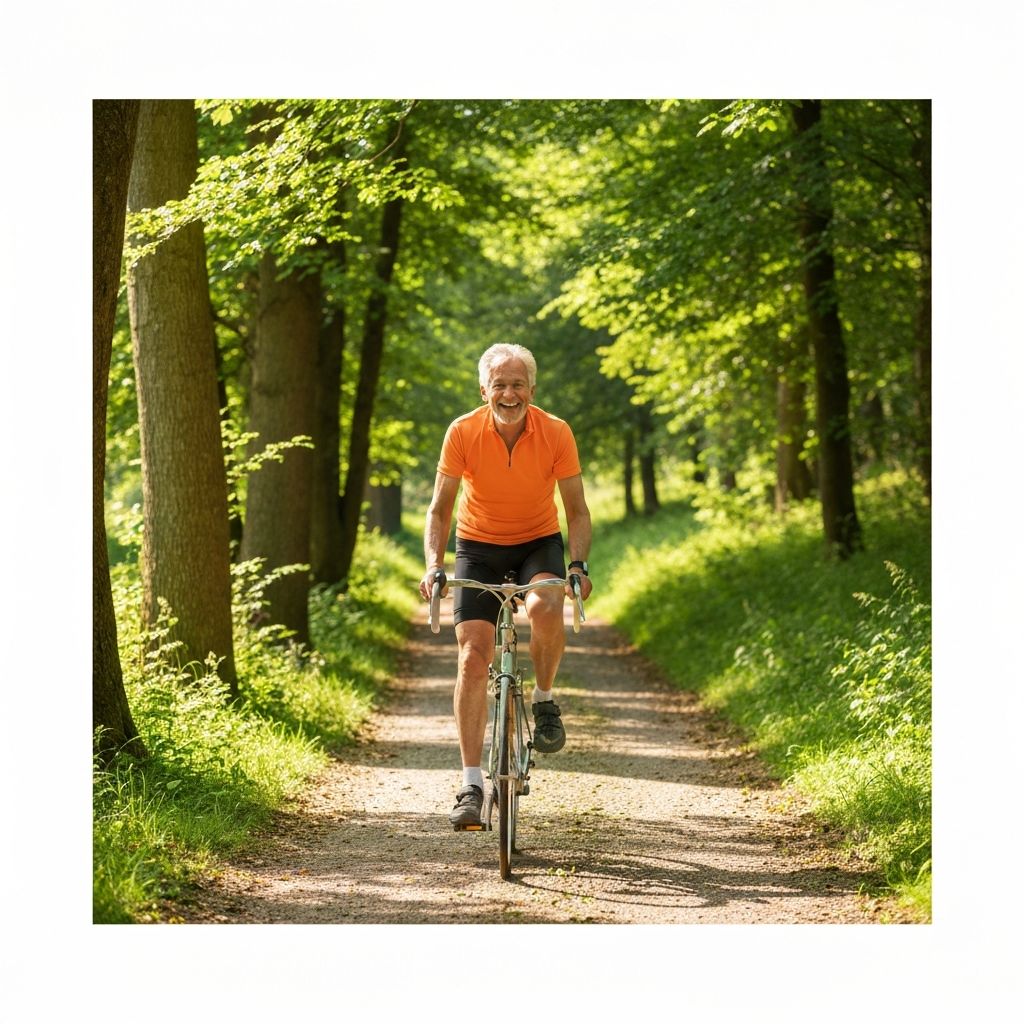
Introduction to Flexibility in Active Aging
As we move through our forties and beyond, maintaining flexibility becomes increasingly important for daily comfort and functional movement. Stretching, when practiced regularly, offers a pathway to preserve and enhance the range of motion in our joints and muscles. This article explores the various dimensions of stretching practice, its physiological impacts, and practical approaches for incorporating flexibility work into your daily routine.
Understanding Natural Changes in Flexibility
The human body undergoes natural transformations as it ages. Muscle fibers gradually become less elastic, connective tissues become stiffer, and joints may experience gradual changes in their range of motion. These are normal physiological processes. Regular stretching does not reverse age itself, but it can support the maintenance of flexibility and help you feel more comfortable in your daily movements.
When muscles are not regularly used through their full range of motion, they tend to shorten and tighten. This is why sedentary lifestyles contribute to reduced mobility. Conversely, consistent flexibility practice helps maintain the natural elasticity and length of muscles, supporting your ability to move freely.
Types of Stretching Approaches
There are several approaches to stretching, each with distinct characteristics:
Static Stretching: This involves holding a stretch in a comfortable position for 15-30 seconds. It is often performed after activity when muscles are warm. Static stretching is accessible and can be done almost anywhere, making it practical for daily routines.
Dynamic Stretching: These are controlled movements that gently take your body through a range of motion. Examples include arm circles, leg swings, or gentle torso rotations. Dynamic stretching is often performed before activity to prepare the body for movement.
Proprioceptive Neuromuscular Facilitation (PNF): This advanced technique combines stretching and contraction. While effective, it typically requires professional guidance and is often used in specialized settings.
Physiological Impacts of Regular Stretching
Consistent stretching practice influences several physiological systems. Flexibility work can enhance blood circulation to muscles and joints, supporting nutrient delivery and waste removal. The practice also engages the nervous system, promoting body awareness and coordination—qualities essential for maintaining balance and preventing falls.
Regular stretching may also contribute to muscle recovery following activity. When muscles are stretched, they receive increased blood flow, which can support the removal of metabolic byproducts and facilitate recovery processes.
From a postural perspective, targeted stretching of tight muscle groups can help restore balance to muscle tension patterns. Many people develop muscle imbalances from daily habits and repeated movements. Stretching neglected muscle groups helps counteract these patterns.
Building a Daily Stretching Practice
Starting a stretching routine does not require special equipment or significant time investment. A simple 10-15 minute daily practice can contribute meaningfully to your flexibility and mobility. Consider these foundational principles:
Consistency Over Intensity: Gentle, regular stretching is more beneficial than occasional intense stretching. Aim for daily practice rather than sporadic sessions.
Warm Your Muscles First: Always stretch after your muscles are warm—after a light walk, gentle movement, or warm shower. Stretching cold muscles increases injury risk.
Gentle Progression: Move slowly into a stretch and hold at a comfortable level. You should feel gentle tension, never sharp pain. Over weeks and months, your range of motion will gradually expand.
Full Body Awareness: A complete stretching routine addresses major muscle groups: calves, hamstrings, hip flexors, quadriceps, shoulders, and neck. Spend time on areas that feel particularly tight.
Practical Techniques for Common Areas
Let's explore practical approaches to stretching key areas of the body:
Lower Body: For the calves, stand facing a wall and step one leg forward, keeping the rear leg straight. Lean gently into the wall. For hamstrings, sit and gently reach toward your toes. For hip flexors, a gentle lunge position can provide opening without excessive force.
Upper Body: Cross one arm across your chest and gently press with the other arm for shoulder stretches. For neck flexibility, gentle side-to-side and forward-backward movements, held briefly, support mobility without strain.
Torso: Gentle twists in a seated position, side stretches with one arm overhead, and forward folds all contribute to spinal flexibility and comfort.
Integrating Stretching Into Daily Life
The most effective stretching practice is one you maintain consistently. Consider these practical integration strategies:
Morning Routine: Begin your day with gentle stretches to awaken your muscles and enhance circulation. Even 5 minutes sets a positive tone for the day.
Post-Activity: After walking, gardening, or other movement, take time to gently stretch the muscles you've engaged.
During Transitions: Use brief moments—while coffee brews, during television time, or between tasks—for targeted stretching.
Evening Wind-Down: Gentle stretching in the evening can promote relaxation and prepare your body for restful sleep.
Listening to Your Body
Everyone's body is different. What feels appropriate for one person may differ for another. The key is developing sensitivity to your body's signals. A gentle stretch should feel pleasant and energizing, never sharp or painful. If you experience discomfort, ease off slightly. Over time, consistency builds gradual improvements in flexibility.
Complementary Practices
Stretching works best as part of a broader approach to active living. Combining stretching with regular movement, proper nutrition, and mindful practices creates a comprehensive foundation for maintaining flexibility and function as you age.
Conclusion
Regular stretching is a simple, accessible practice that supports the maintenance of mobility and comfort in your post-40 years. Through consistent, gentle stretching—performed in a warm muscle state and progressed gradually—you can help preserve your range of motion and support the daily movements that define active living. The investment of just 10-15 minutes daily can contribute significantly to your long-term well-being and independence.